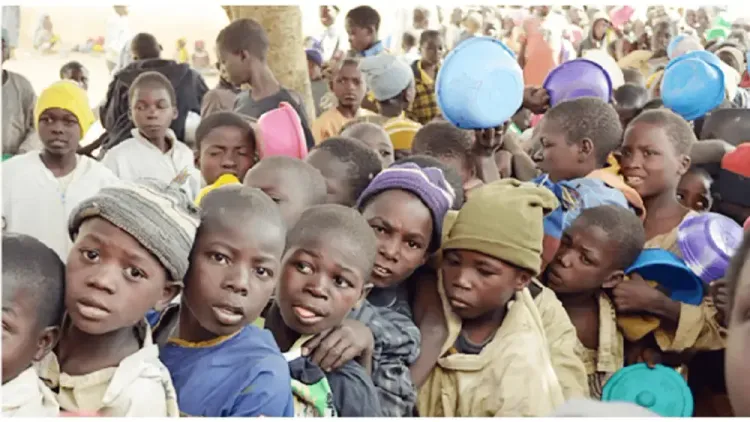

Children reaching out towards the camera

Protect, Educate, Empower

We work against child trafficking and exploitation, with the families, schools and communities where it starts. You can help by giving, by joining us, or by buying something that funds the work.

Who we are

Marianco was founded by Francisco Padilla, who grew up on the streets of Cartagena, Colombia, and named the organisation after his mother. We work against child trafficking, documented child sexual abuse and the commercial sexual exploitation of children, through prevention, support for survivors, and pressure on the systems meant to protect them.

Read our story

What we work on

  • Children with their arms around each other

    Child trafficking

    Children are moved across borders and sold. We work where that begins, with families under pressure, schools that can spot the warning signs, and communities that know what to do when a child goes missing.

  • Children standing in a circle, holding hands

    Child sexual abuse material

    Every image is a record of a real child being harmed, and it keeps circulating long after the abuse stops. We support reporting, removal and the slow work of helping survivors live with it.

  • Children sitting together on a low wall

    Commercial sexual exploitation

    Children are not selling anything. They are being sold, usually by someone they know, often because there is no other way to eat. We work on both the adults who exploit and the poverty they rely on.

How we work

  • Protect

    We help families, teachers and neighbours recognise how children are approached, and what to do in the hours that matter.

  • Educate

    School programmes, workshops and scholarships. A child who stays in school is far harder to reach.

  • Empower

    Skills training and support for the adults around a child, so the family is not forced into the choice traffickers rely on.

What we work against

Three crimes, and what Swedish law does with them.

Marianco works against trafficking in children, documented sexual abuse of children, and the commercial sexual exploitation of children. Those are the legal names. They describe an adult buying, moving or selling a child, and they are worth saying plainly rather than softening into a cause.

What each one carries

Drawn to one scale, so they can be compared. Kidnapping sets the ceiling at eighteen years or life. Checked against the consolidated statute on 9 August 2026, after the reform that took effect on 1 August.

Kidnapping

4:1
05101518years of imprisonmentKidnapping 4 years to 18 years or lifeLesser offence up to 6 years

Human trafficking

4:1 a
05101518years of imprisonmentTrafficking 2 years to 10 yearsLesser offence 6 months to 4 years

Exploitation of a child through purchase of a sexual act

6:9
05101518years of imprisonmentPurchase from a child 6 months to 4 yearsLesser offence up to 1 year
All six offences, with their sources

And what happens to a case

185reports of trafficking18prosecutions brought0convictions

Sweden, 2024

The year before produced the same result: 228 reports, 13 prosecutions, no convictions. Sweden has never convicted anyone of trafficking for forced labour.

Swedish Police, Trafficking in human beings, situation report 26 (2024), ref. A644.887/2025, section 4.1, with figures from Brå and the courts of appeal.

What we know

We can show you the law this rests on.

Nine instruments, from the 1926 convention that still supplies the definition of slavery to an EU directive member states must transpose by July 2026. Every claim on this site carries the source it came from, including the figures we refuse to use.

Read the reference

What the numbers show
Child exploitation, as measured by the bodies that track it

The scale

  • 1.2 million

    Children trafficked each year. ILO/UNICEF estimate

  • 1 million

    Children in commercial sexual exploitation. ILO estimate

  • 70–80%

    Of identified child trafficking victims are girls. UNODC Global Report

  • 36.2 million

    Reports of suspected online child sexual exploitation in 2023. NCMEC CyberTipline

  • Estimates are inherently uncertain: these crimes are hidden, and the true figures are almost certainly higher. Each number names the organisation that published it and the year, so you can check it yourself.

Coming up

Talks, training and fundraisers. Most are open to anyone; a few are for professionals who work with children.

Reading

What we have learned, what the research says, and what to do about it. Written for parents, teachers and anyone who works near children.

The ethics of researching child abuse

October 24, 2025

The ethics of researching child abuse

There are different kinds of ways we can use to find information about child abuse cases, BUT surveying remains one of the most effective methods. To survey child abuse, a complex process that requires strict ethical protocols and specialized methods, researchers must prioritize the safety and well-being of participants. A survey can target the prevalence of abuse in a population or be used for screening and clinical assessment in healthcare settings. HOWEVER, there are many ethical considerations before conducting such research such as age, anonymity

Read Article
Child Molestation and Sexual Exploitation in Africa: Confronting a Silent Emergency

October 17, 2025

Child Molestation and Sexual Exploitation in Africa: Confronting a Silent Emergency

Across Africa, millions of children are growing up under the shadow of sexual violence and exploitation. Behind closed doors, in schools, in refugee camps, and increasingly across digital spaces, countless boys and girls face abuses that rob them of dignity, safety, and the promise of a better future. The crisis is urgent, yet too often invisible. It demands not only compassion but also coordinated, sustained action from governments, communities, and international partners.

Read Article

Make a difference today

Your gift funds the work on this page: prevention where children are most at risk, support for those already harmed, and the training that makes an adult nearby know what to do. Every amount helps, and you can stop whenever you like.

Support the work

Everything is made to order. What is left after production funds prevention, support and casework.

See the whole shop

Print-on-demand keeps our stock at zero, so nothing is bought that nobody wants. What is left after the item is made and shipped goes to prevention work, support for families, and the slow business of getting cases taken seriously.

Stay informed

A few times a year: what we have done, what we have learned, and what is worth reading. No campaigns between times, and one click to stop.

I agree that Marianco may store my email address to send me this newsletter, as described in the privacy policy. I can withdraw my consent at any time, from any email we send.